
Development of the castle and Teramachi
英語の後に日本が続きます。
It all started in 1614. Matsudaira Tadateru, the 6th son of Tokugawa Ieyasu, had been appointed as daimyo of the Takada Domain in 1610, replacing Hori Tadatoshi who had ruled the domain from Fukushima Castle in Naoetsu. However, Tadateru found Naoetsu not a suitable location and decided to move to a new location. That location became known as Takada Castle.Castles do not exist in isolation, so a castle village was laid out around the castle, providing space for its samurai, commercial activities, and temples.
Castles do not exist in isolation, so a castle village was laid out around the castle, providing space for its samurai, commercial activities, and temples.
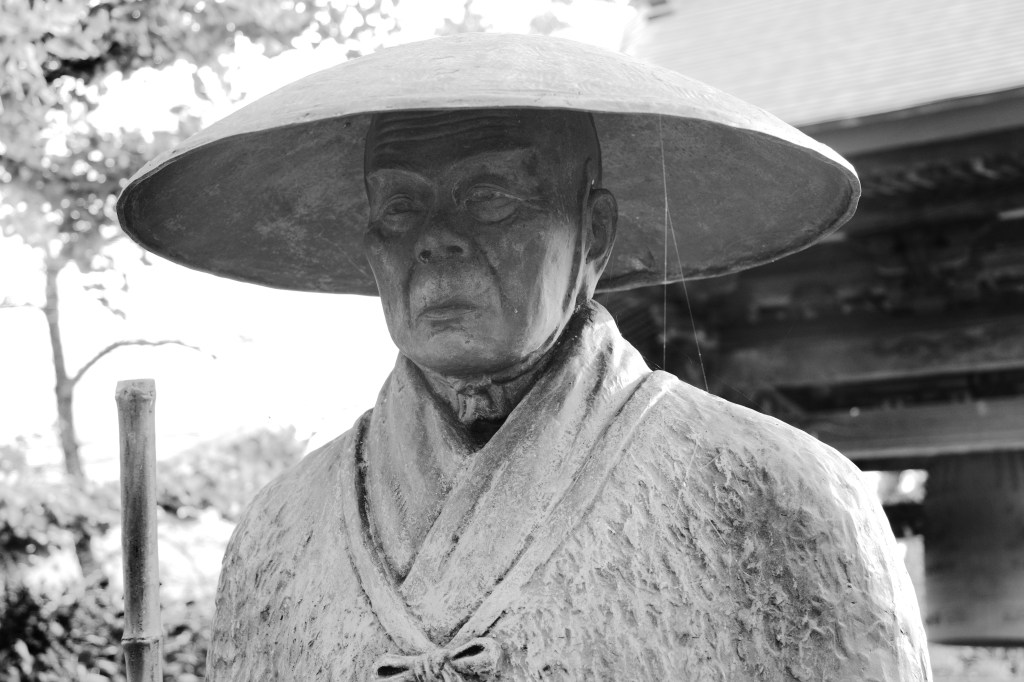
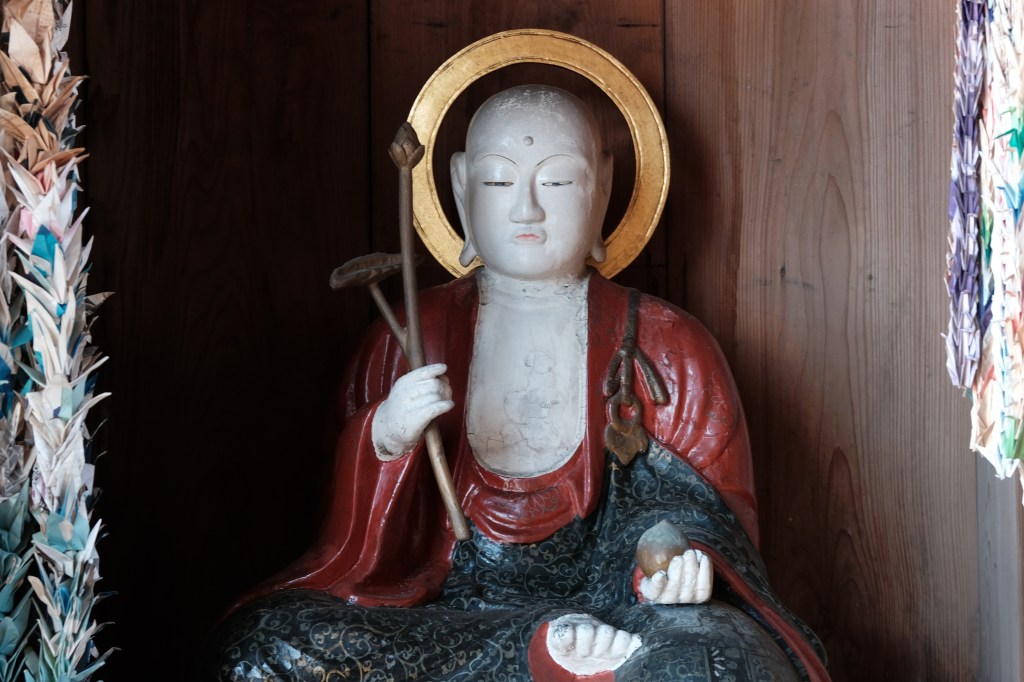
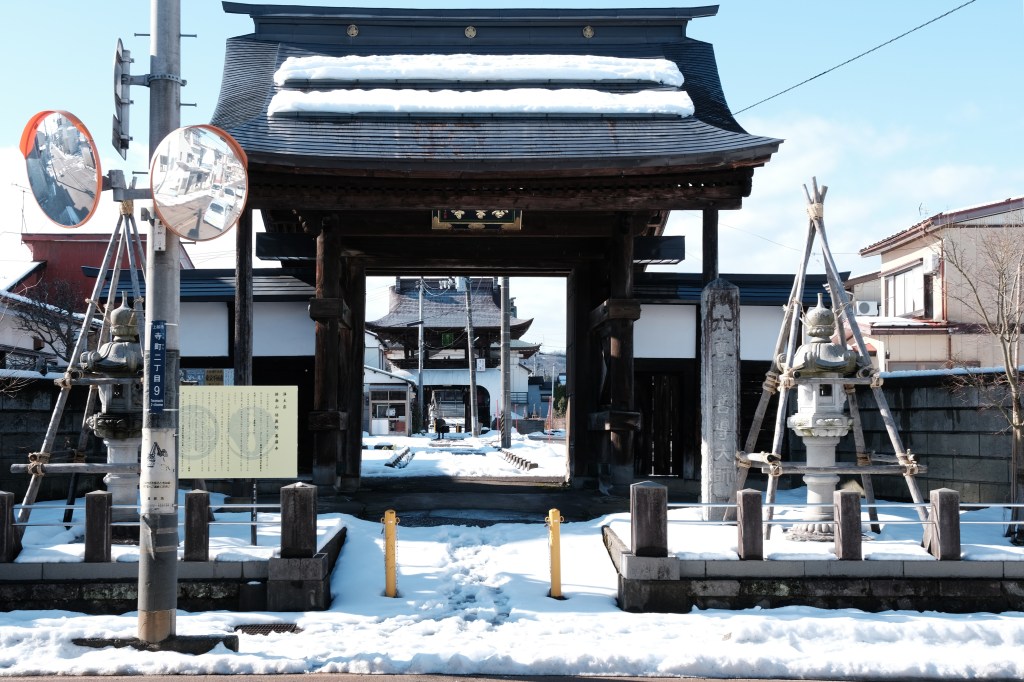
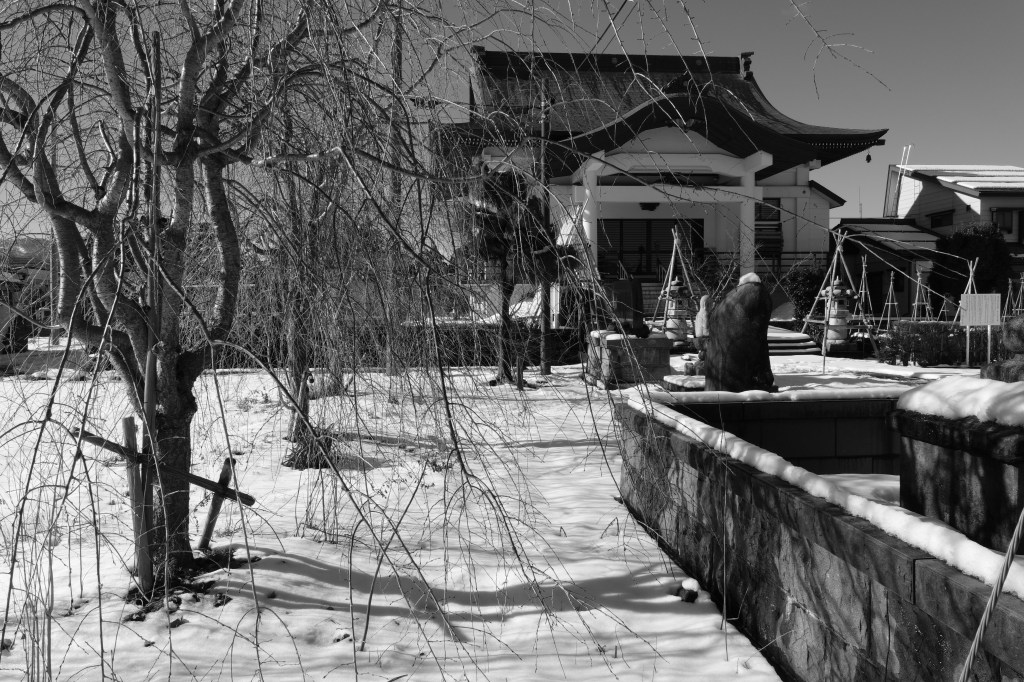
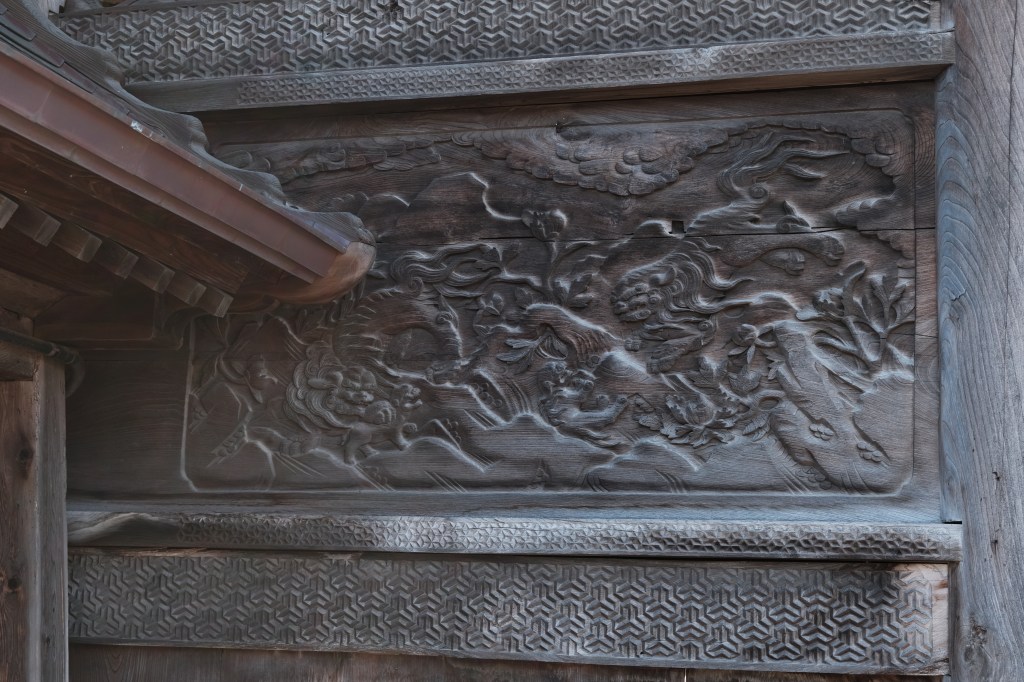
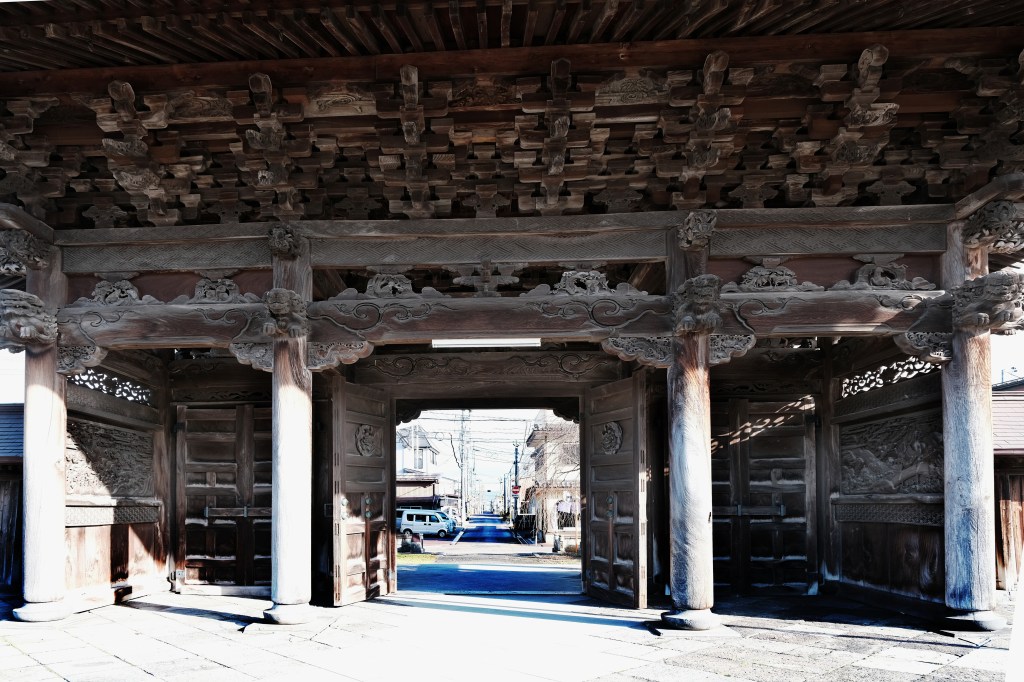
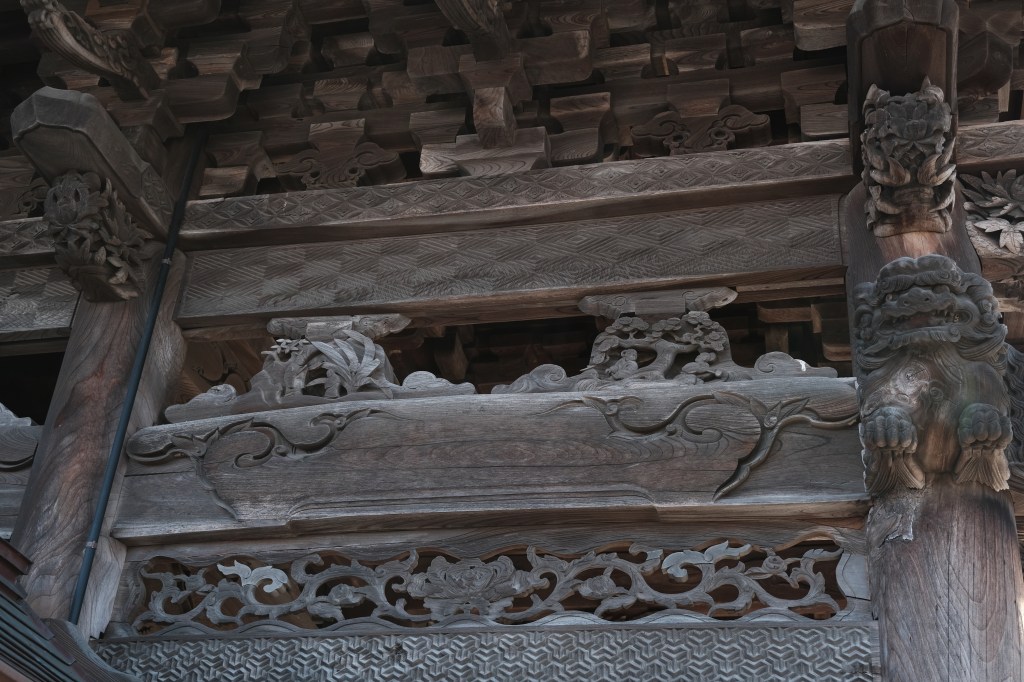
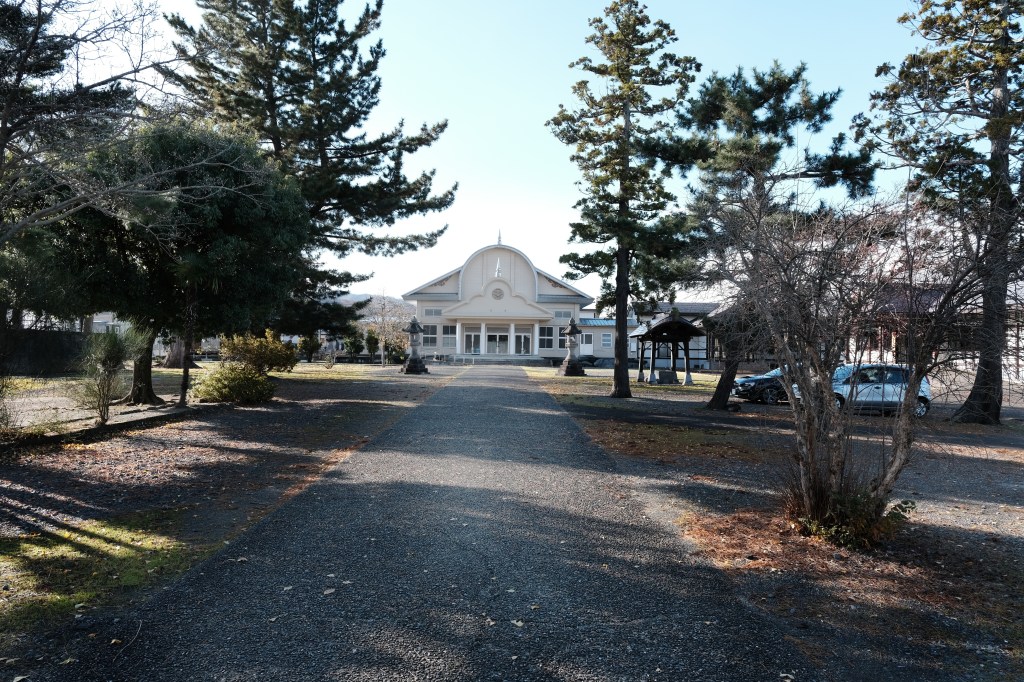
The space for temples was projected in an area to the west of the castle, forming what we now know as Takada’s Teramachi. The area is unique in the sense that it has the largest concentration of temples of any teramachi (temple town) in Japan, accommodating a relatively large number of Buddhist sects. Teramachi’s history is closely related to the history of Takada and its castle.
Is Teramachi of value only as part of Takada’s history, or is it still relevant for the city and its inhabitants today? Being an integral part of Takada’s history, it has helped shape the city’s character and identity. Like many cities in Japan, Joetsu is anxious to create interest in the city to stimulate tourism. However, with its potential for promoting Takada and Joetsu, Teramachi remains largely undiscovered.
Below you will find information on the Takada Domain, Takada Castle, development of Takada as a castle town, and development of Takada’s teramachi. In a subsequent post I will try and present some thoughts on the relevance of Teramachi and its prospects for the future.
The Takada Domain

The Nagao clan had been influential in Echigo (present-day Niigata Prefecture) from the 14th century. One of the former Nagao clan members, Uesugi Kenshin was instrumental in unifying Echigo but after his death the Uesugi clan was forced by Toyotomi Hideyoshi to transfer to Aizu in 1598.
Hideyoshi then appointed Hori Hidehara as daimyo of the newly created Echigo-Fukushima Domain and Hidehara had a new castle built in Naoetsu in 1607, named Fukushima Castle. The Hori clan was in control of its domain only briefly because the clan’s properties were taken from them by Tokugawa Ieyasu in 1610 and the domain was given by Ieyasu to his 6th son, Matsudaira Tadateru. At that time its name changed to Takada Domain.
Tadateru was removed from his position in 1616 and the domain transferred into the hands of some minor clans until the Sakakibara clan took over in 1741 and ruled Takada until abolishment of the feudal system in 1871, after the Meiji restoration.
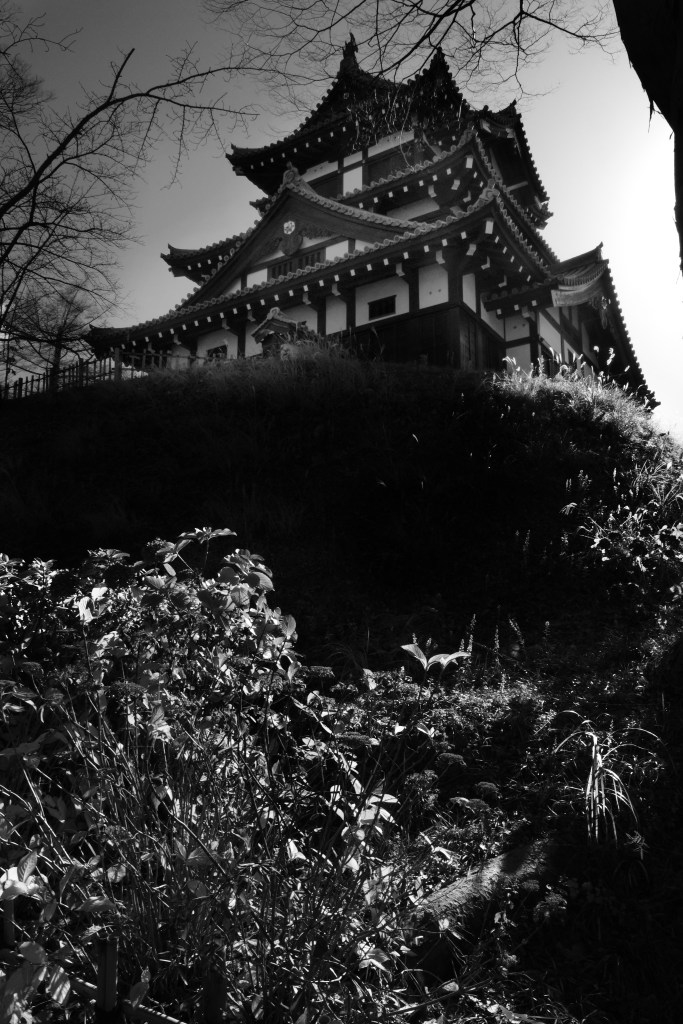
Takada Castle
Kasugayama Castle, one of Japan’s famous mountaintop castles, is strongly associated with the Uesugi clan. The castle was the clan’s main stronghold. After the clan was transferred to Aizu, the Hori clan was appointed in 1610 to rule the Fukushima Domain. A lowland castle was considered as more appropriate than a mountain stronghold for administrative purposes and this led to transfer of the domain headquarters to the newly constructed Fukushima Castle in Naoetsu. An added advantage was that the Naoetsu castle gave better control over land and maritime transport routes.
The new location also had its drawbacks, as Tadateru quickly discovered after his appointment as successor to Hori Tadatoshi. Sandwiched between the sea and the Hokuragawa, Fukushima Castle did not provide enough space for the domain forces. Moreover, the castle was subject to flooding and these factors combined led to a search for a better location.
A new location was scouted about 8km inland from Naoetsu. The village of Otoyoshi was situated on a slight elevation, in a bend of the Sekigawa. Historical records suggest that it was not only tactical considerations but that in fact geomancy was instrumental in determining the exact location of the new castle. The location was basically determined by its relation to Mount Yoneyama, and Mount Myoko.
The village and its inhabitants were moved to its current location in Myoko and construction of Takada Castle could start. The Shogunate was preparing for war and had neither time nor money for a new castle. Construction therefore had to be simple yet effective. Tadateru’s father-in-law — Date Masamune — was ordered to organize the construction which took no more than 4 months to be completed. Takada Castle, like its predecessor Fukushima Castle, is a typical flatland castle.

Development of the castle town
Samurai residences were built around and immediately adjacent to the newly constructed castle. Higashishirocho, Nishishirocho, Minamishirocho, Kitashirocho, Otemachi and part of Omachi were reserved for this purpose.
The town was developed to provide the necessary economic infrastructure for the castle. Roads were laid out around the castle and about 40 neighborhoods were created to provide manufacturing, trade, transportation, and other services.
Merchants, craftsmen, and service providers were allocated present-day Minamihoncho, Honcho, Kitahoncho, Higashihoncho, Nakamachi, and Omachi streets. Their shops and houses were the typical Takada-style gangi-machiya.
Specialized craftsmen with identical skills would often be located together in one of these neighborhoods, creating something akin to the old European guild system.
An area to the west of the castle was designated for temples. The area measured roughly 2,000 x 500m. Temples were also located near the entrances of the main roads into town.
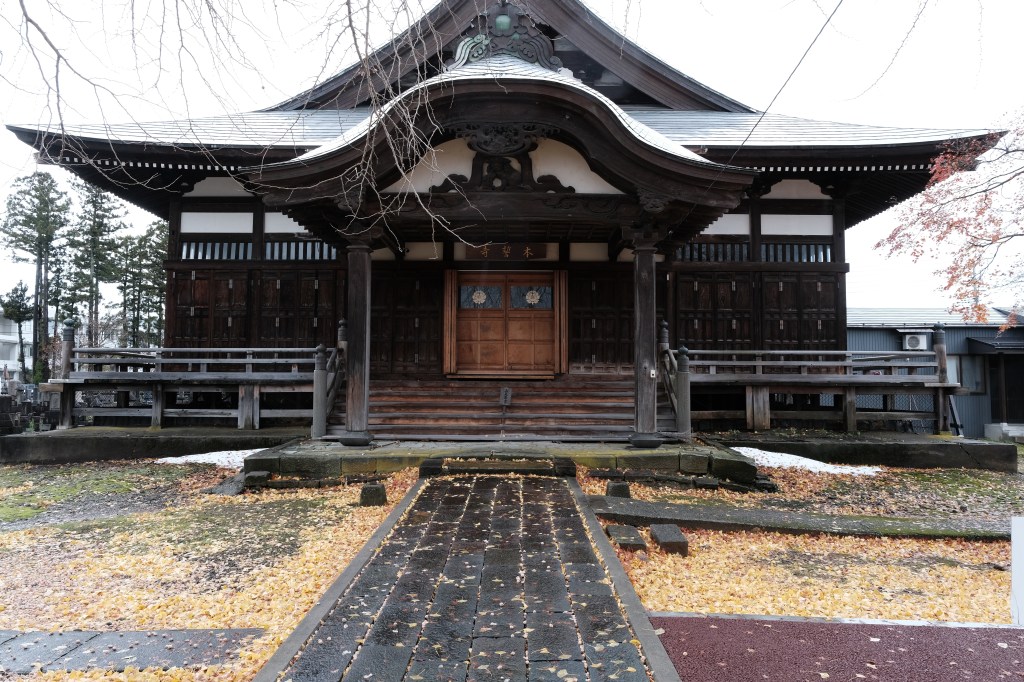
Teramachi
At present Teramachi contains 64 Buddhist temples plus one Shinto Shrine. Jodo Shinshu is represented with 34 temples, followed by Sotoshu (12 temples), Nichirenshu (7 temples), Jodoshu (6 temples), Shingonshu (4 temples), and Jishu (1 temple). These are all old, established sects, the history of Shingonshu going back to the Heian period and the others to the Kamakura period.
Although the ostensible purpose of Teramachi was “protection” of the castle, this did not necessarily mean that the Buddhist monks of Takada were fighting monks. Protection in this context meant protection in the form of spiritual and moral support but the temples also played a role in providing space to house the domain’s foot soldiers.
Today’s Teramachi is centrally located in Takada in three city blocks, Teramachi 1-chome, 2-chome and 3-chome, to the West of and parallel to the Myoko-Haneuma Railway line.
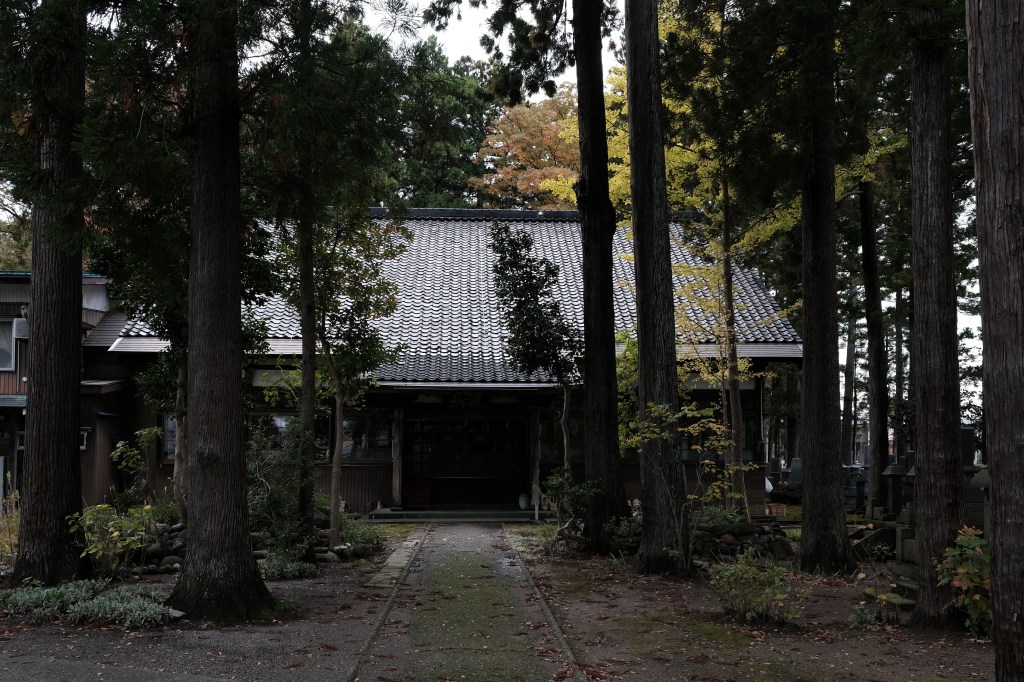
Origins and numbers of temples
The number of temples as well as the representation of different sects has changed over the years. The temples arrived in waves, often caused by changes in the domain administration. Daimyo and high-ranking samurai would sometimes request temples they had close relations with to follow them to a new location.
The temples that relocated in 1614 from Naoetsu to Takada — probably about 25 temples — formed the first wave. Another notable wave came in the form of eight temples (Jodoshinshu 2, Jodoshu 2, Zenshu 2, Nichirenshu 2) that accompanied the Sakakibara clan when they took over domain responsibilities in 1741.
As to their origins, you can broadly divide the Teramachi temples in 5 groups:
1. Temples that moved from Kasugayama to Naoetsu, and then to Takada. This was the first wave.
2. Temples that moved from different locations in Echigo to Takada.
3. Temples that originated from outside Echigo.
4. Temples that came along with Matsudaira Tadateru and Matsudaira Mitsunaga.
5. There were also temples that were newly established in Takada.
Maps and surveys show the following numbers:
| 1701 | 1746 | 2024 | |
| Jodoshinshu | 24 | 25 | 36 |
| Zenshu | 22 | 25 | 10 |
| Jodoshu | 10 | 10 | 6 |
| Nichirenshu | 8 | 8 | 7 |
| Shingonshu | 10 | 9 | 3 |
| Jishu | 1 | 1 | 1 |
| Tendaishu | – | 9 | – |
| TOTAL | 75 | 87 | 63 |
The earliest survey (the Shoho Castle map of 1644) showed not only temples to the west of the merchant part of town but also a small number of temples in the samurai district to the south of the castle.
The 1701 survey showed that several temples moved into Teramachi from Nakamachi. Further it shows that Teramachi as a whole had moved further westward in the years following the 1665 Kanbun earthquake.
The 1746 survey showed that temples had spread behind the merchant houses in the northern part of Takada. The total for 1746 did not include the 8 Sakakibara family temples.
The number of Zen temples (from the Soto and Rinzai sects) declined after 1871 because of the abolition of the feudal system. The Zen temples had been favorites of the samurai.
Takada-Teramachi part 2:
Above information regarding the development of Takada Castle, its castle-town, and Takada’s Teramachi is the introduction to what I see as the most important part of the Teramachi story. In my follow-up post, Takada-Teramachi part 2, I will describe the present economic situation of the temples and how temples are trying to adapt to remain relevant spiritually while creating a mode of operation that will assure them of financial viability.
高田寺町 パートI
城と寺町の発展
すべては1614年に始まりました。徳川家康の六男である松平忠輝が、それまで直江津の福島城から高田藩を治めていた堀忠俊に代わり、1610年に高田藩主として任命されました。しかし、忠輝は直江津を適切な場所と見なさず、新しい拠点への移転を決意しました。その新しい拠点が高田城です。
城は孤立して存在するものではありません。そのため、城を中心に城下町が計画され、侍たちの住居、商業活動、そして寺院のための区画が設けられました。寺院のための区画は、城の西側に配置され、現在「高田寺町」として知られる地域が形成されました。この地域は、国内の寺町の中でも最大規模の寺院集中地として特異な存在であり、複数の仏教宗派が共存しています。寺町の歴史は、高田城とその城下町の歴史と深く結びついています。
では、寺町は高田の歴史の一部としての価値にとどまるのでしょうか。それとも、今日の高田やその住民にとっても依然として重要な役割を果たしているのでしょうか。以下では、高田藩、高田城、城下町としての高田の発展、そして高田寺町の発展についての情報をお届けします。その後の投稿では、寺町の現代的な意義と将来の展望について考察を試みたいと思います。
高田藩の歴史
長尾氏は14世紀から越後(現在の新潟県)で大きな影響力を持っていました。その一族の一人、上杉謙信は越後を統一する上で重要な役割を果たしましたが、彼の死後、上杉氏は1598年に豊臣秀吉によって会津への移封を命じられました。
その後、秀吉は新たに設立した越後福島藩の藩主として堀秀治を任命し、秀治は1607年に直江津に福島城を築城しました。しかし、堀氏は短期間しかその藩を治めることができず、1610年に徳川家康が堀氏の領地を没収し、家康の六男である松平忠輝にその領地を与えました。この際、藩の名称が高田藩に変更されました。
忠輝は1616年にその地位を解任され、その後の高田藩は一時的にいくつかの小規模な大名家に統治されましたが、1741年に榊原氏が高田藩を引き継ぎ、明治維新による廃藩置県が行われた1871年まで統治を続けました。
高田城
春日山城は日本の有名な山城の一つで、上杉氏と深い関わりがあります。この城は上杉氏の本拠地でしたが、上杉氏が会津に移封された後、1610年に堀氏が福島藩の統治を任されました。当時、行政上の理由から山城よりも平城が適していると考えられ、藩の本拠地が直江津に新築された福島城へと移されました。直江津の福島城は、陸路と海路の交通をよりよく管理できるという利点もありました。
しかし、新たな立地には欠点もありました。堀忠俊の後任として任命された松平忠輝は、すぐにその問題を実感しました。福島城は海と保倉川に挟まれており、藩の軍勢を配置するのに十分なスペースがありませんでした。また、城は洪水の被害を受けやすく、これらの要因が新しい立地を探すきっかけとなりました。
新しい立地は直江津から約8km内陸にある大手吉村(菩提ヶ原)に決定されました。この村は関川の曲がり角にあり、わずかに高台になっていました。歴史的記録によると、戦略的な理由だけでなく、実際には風水が新城の正確な位置を決定する際に重要な役割を果たしたとされています。この立地は、米山と妙高山との関係性によって基本的に決定されました。
村とその住民は妙高の現在の場所に移され、高田城の建設が開始されました。将軍家は戦争の準備を進めており、新城の建設に十分な時間も資金もありませんでした。そのため、建設は簡素でありながらも効果的である必要がありました。忠輝の義父である伊達政宗が建設を指揮し、わずか4ヶ月で完成しました。高田城は福島城と同様に典型的な平城です。
城下町の発展
新しく築かれた高田城の周辺には、まず武士の居住地が整備されました。東城町、西城町、南城町、北城町、大手町、および一部の大町がそのために割り当てられました。
城を中心に必要な経済的インフラ整備をするため、城を取り囲むように道路が整備され、製造業、商業、運輸業、その他のサービスを提供する約40の町が新たに設置されました。
商人、職人、サービス業者は、現在の南本町、本町、北本町、東本町、仲町、大町などの通りに配置されました。これらの通りにある店舗や住居は、高田特有の「雁木町家」と呼ばれる造りが特徴的でした。
特定の技能を持つ職人たちは、同業者同士で同じ町内に集められることが多く、これによりヨーロッパの旧ギルド制度に似た仕組みが形成されました。
さらに、城の西側に約2,000メートル x 500メートルの広大な敷地が寺院専用の区域として指定されました。また、城下町に通じる主要な道路の入り口付近にも寺院が配置されました。
寺町
現在、寺町には64の仏教寺院と1つの神社が存在しています。仏教の各宗派の内訳は以下の通りです:浄土真宗が34寺と最も多く、次いで曹洞宗が12寺、日蓮宗が7寺、浄土宗が6寺、真言宗が4寺、時宗が1寺となっています。
これらはすべて歴史ある宗派であり、特に真言宗は平安時代にまでその起源を遡ることができます。他の宗派も鎌倉時代に誕生した古い伝統を持つ宗派です。寺町はその歴史的背景と宗教的多様性から、地域文化の重要な一部を形成しています。
寺町の表向きの目的は「城の防衛」でしたが、これは必ずしも高田の僧侶たちが武闘派であったという意味ではありません。この場合の「防衛」は、精神的および道徳的な支援という形での保護を意味していました。また、寺院は藩の足軽を収容する場としても役割を果たしていました。
現在の寺町は、高田の中心部に位置しており、妙高はねうまラインの線路の西側、寺町1丁目、2丁目、3丁目の3つの市街区にわたっています。この歴史的地区は、城下町としての高田の発展と密接に結びついており、現代においてもその文化的価値を保ち続けています。
寺院の起源と数
寺町にある寺院の数や宗派の構成は、時代の変遷とともに変化してきました。その変化の背景には、藩の行政体制の変更が大きく影響しています。藩主や高位の武士が、信仰や関係の深い寺院に移転を依頼することがありました。
最初の寺院移転は、1614年に直江津から高田への移転で、この時に約25の寺院が移動したと考えられています。もう一つの顕著な波は、1741年に榊原氏が藩の責務を引き継いだ際に伴った8つの寺院(浄土真宗2、浄土宗2、禅宗2、日蓮宗2)の移転でした。
寺町の寺院の起源を大きく5つのグループに分類することができます:
1. 春日山から直江津、そして高田へ移動した寺院
– これは最初の波に該当します。
2. 越後の他の地域から高田に移転した寺院
– 越後国内の移動により成立した寺院です。
3. 越後以外の地域から来た寺院
– 他の地方から移転した寺院が含まれます。
4. 松平忠輝および松平光長に随行した寺院
– 松平家の移転に伴い高田に移動した寺院です。
5. 高田で新たに設立された寺院
– 他の地域からの移転ではなく、高田で独自に設立された寺院が含まれます。
これらの背景が、現在の寺町の独自性や多様性を形作っています。
地図や調査によると、以下のような数字が示されています:
| 1701 | 1746 | 2024 | |
| 浄土真宗 | 24 | 25 | 36 |
| 禅宗 | 22 | 25 | 10 |
| 浄土宗 | 10 | 10 | 6 |
| 日蓮宗 | 8 | 8 | 7 |
| 真言宗 | 10 | 9 | 3 |
| 時宗 | 1 | 1 | 1 |
| 天台宗 | – | 9 | – |
| TOTAL | 75 | 87 | 63 |
最も古い調査である(1644年の正保城絵図)には、町の商人地区の西側だけでなく、城の南に位置する武士地区にも少数の寺院が存在していることが記されています。
1701年の調査では、いくつかの寺院が仲町(現在の商業地区)から寺町に移動したことが確認されます。また、1665年の寛文地震の影響で、寺町全体がさらに西に移動したことも示されています。
1746年の調査では、寺院が高田の北部にある商家の裏手にも広がっている様子が記録されています。ただし、この調査では榊原家に関連する8つの寺院は含まれていません。
時代が進むにつれて、寺院の構成にも変化が見られました。特に禅宗(曹洞宗と臨済宗)の寺院の数は、明治維新後の廃藩置県によって減少しました。禅宗の寺院は武士に好まれていましたが、武士階級の消滅とともにその影響力が薄れたことが要因です。
これらの変遷は、高田寺町が持つ地理的・歴史的なダイナミズムを物語っています。
高田–寺町 –II
これまで、高田城、城下町、そして高田寺町の発展について触れてきました。これは、寺町の物語を理解するための導入部分です。しかし、本当に重要なのは、寺町の現在の状況、特に寺院の経済状況やその変化への対応です。
次回の投稿「高田寺町 II」では、寺院が直面している現代の経済的課題について掘り下げます。また、寺院が精神的な役割を維持しつつ、財政的な安定を確保するためにどのような運営形態を模索しているのかについても詳しくお話しします。
高田寺町は歴史的な遺産であるだけでなく、現代社会においても重要な役割を果たす可能性を秘めています。次回の投稿では、寺院がいかにしてその可能性を追求しているのかを考察していきたいと思います。
 JOETSU STORIES
Dank Willem!Sent from my iPhone
LikeLike